A good protection plan starts with understanding what your car faces every day. Ultraviolet radiation fades paint and bakes interiors. Road debris chips front ends and rocker panels. Improper washing creates swirls that blur reflections. Acidic contaminants like bird droppings and bug remains etch clear coat quickly on hot days. Over three to five years, the combined effect costs you gloss, money, and time. It is possible to slow all of it with a smart mix of paint protection film, ceramic coating, and window tint, applied in the right order and maintained with simple habits.
Many owners try one product in isolation and feel underwhelmed. The magic is in the layering. Paint protection film, or PPF, is your impact shield. Ceramic coating is your sacrificial, slick, chemical resistant layer that makes cleaning easy and preserves the finish under normal use. Tint protects your cabin and skin, stabilizes interior temperatures, and reduces UV damage. Get the surface prepared first, then sequence each material so they play to their strengths rather than overlap in a wasteful way.
What each layer actually does
Paint protection film is an 8 mil or so polyurethane film with a clear topcoat. Premium variants are self healing under heat, meaning fine scratches retract and disappear when the surface warms. The film physically blocks impacts from gravel, sand, and tire rubber. It also resists staining better than bare clear coat. It is not a magic bubble, though. High speed rock strikes can still mark it, and knives will, of course, cut it. A properly installed film with wrapped edges where possible reduces exposed seams and resists lifting at vulnerable points.
Ceramic coating is, despite the name, a liquid polymer that crosslinks and cures on the surface into a dense, hydrophobic layer. The chemistry varies by brand, but a good coating offers strong water beading, slower water spotting, improved chemical resistance against bird bombs and tree sap, and easier washing. It does not stop rock chips. It will not hide scratches. It needs a clean, corrected surface to bond and look right. Think of it as a long term wax on steroids that does not wash off in a few months.
Window tint has two jobs that matter over the life of the vehicle. First, it blocks UV light that fades fabrics, dries out leather, and damages skin. Most quality films block 99 percent of UV. Second, depending on the technology, it rejects heat in the near infrared spectrum so the cabin stays cooler. Dyed films reduce glare and provide privacy but do little for heat. Carbon films add some IR rejection without signal interference. Nano ceramic films deliver the best heat rejection with stable color over time. Good tint also cuts eye fatigue and reduces how quickly plastics and soft touch materials degrade.
Prep and paint correction are not optional
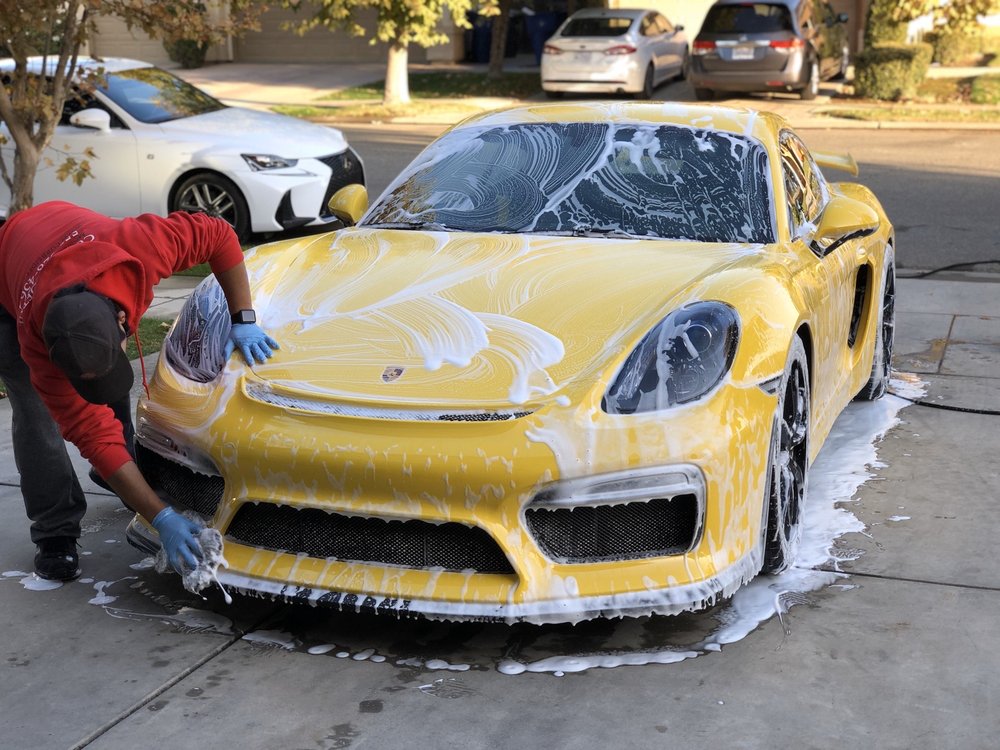
Everything lives or dies by the surface you start with. Even new cars arrive with light marring from transport wraps, dealer wash marks, and rail dust. If a film goes over those defects, the imperfections become permanent highlights under a magnifying sheet. Proper preparation means a gentle but thorough wash, chemical decontamination to remove iron particles, and mechanical decontamination with a clay media only when necessary to avoid over-marring.
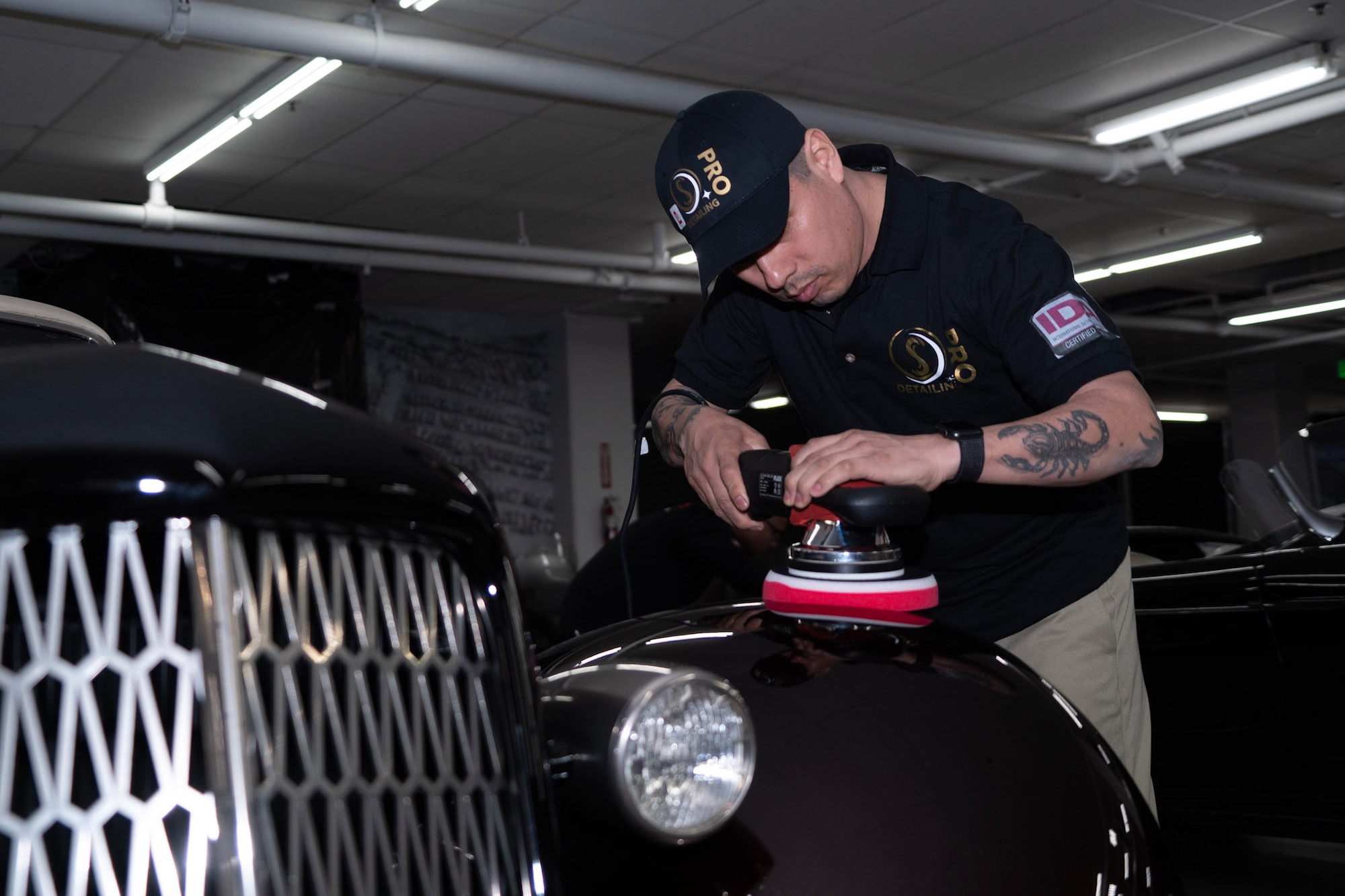
Paint correction follows. This is not a buzzword for making things shiny, it is controlled abrasion. The goal is to remove a measured portion of the clear coat to level scratch valleys so light reflects true. On softer Japanese clear coats, a single polishing step with a medium cut pad may correct 60 to 80 percent of defects. On harder German clears, a two step approach is more common, with an initial compound to reduce deeper swirls and a finishing polish to restore clarity. Measured work involves a paint depth gauge, consistent pad priming, and panel temperature checks so you do not burn edges or create haze.
A corrected surface makes PPF disappear and coatings bond consistently. It also reveals any areas that may need body shop work before protection, like repainted panels with solvent pop or dirt nibs. Skipping this stage almost always shows up later as lifted film edges from trapped contamination, orange peel magnified by film tension, or coatings that sheet water in blotches.
How to layer PPF, coating, and tint without stepping on yourself
The sequence matters because each step affects the next. PPF should be installed before ceramic coating on painted surfaces. A coating adds slickness that can reduce film adhesion, and removing coating under film edges is inefficient. After film is down and post stretched, you can coat the exposed paint and the film itself. Coat the wheels and glass separately with products designed for those materials. Tint can be installed anytime after the heavy wet work on the exterior is finished, but many shops prefer performing tint before final coatings to keep contamination down. Ventilation, humidity, and cure windows dictate the schedule more than anything.
Here is a simple order of operations that keeps things clean and logical.
- Wash, decon, and perform paint correction Install PPF on chosen panels, edges wrapped where practical Allow PPF to settle and outgas, then apply ceramic coating to paint and film Apply wheel and glass coatings, clean door jambs and seals Install window tint, then perform final inspection and wipe down
Choosing film coverage that matches how and where you drive
Full body PPF looks incredible when done well, and it represents the highest protection level for those who keep cars for years or run long highway miles. It shields doors from parking lot incidents and protects rear quarters from kick up on wide tire vehicles. That said, a full wrap costs more time and material, and panel removal for wrapped edges is not always advisable on complex trim. If you park carefully, drive mostly city miles, and wash by hand, a high impact package often makes more sense. Front bumper, full hood, full fenders, headlights, mirror caps, rocker panels, and lower doors cover the usual damage zones.
Color plays a role too. Dark blues and blacks show chips and swirls more, and white paints stain from tar and bug remains more readily. Matte or satin finishes require even more care since polishing is not a recovery option. Matte PPF over a gloss car yields a uniform satin finish that hides some texture variation but requires mindful washing because scuffs cannot be polished out. On already matte OEM paint, film is almost a must. It acts as a sacrificial layer so you can maintain appearance without abrading the original finish.
Edge handling separates average installs from seamless ones. Wrapped edges, relief cuts only where necessary, and removing badges and trim when safe provide a cleaner look and less risk of dirt accumulation. On vehicles with soft touch bumper coatings or fragile clear on edges, an experienced installer will leave slight reveals rather than chase a wrap that may lift in six months.
Ceramic coating choices, myths, and what to expect
Ceramic coatings get marketed with wild angles. Lifetime claims, fire tests, and coin rub demos do not reflect how they perform on real roads. A realistic expectation is three to five years of protection from a single layer consumer grade product in daily use with proper maintenance. Multi layer systems often add thickness and durability, but the main shift you should feel is easier washing, reduced dirt adhesion, and better water behavior. On highway drives in summer, you still need to remove bug remains promptly, because any coating can be etched if acids sit and bake.
Some coatings are friendlier to film and plastics. A slick topcoat over PPF reduces staining from tar and tire rubber on the lower doors and rear bumper. Wheel specific coatings withstand higher temperatures and cut brake dust bonding. Glass coatings improve rainy weather visibility and speed up defrosting since water moves off more readily. The skill is matching chemistry to substrate, not just applying one bottle everywhere.
Coatings also magnify what is underneath. If a panel still has 2000 grit sanding marks from factory denibbing, a coating will not hide it. If a panel was polished to a high gloss, that gloss will feel locked in and consistent under various lighting. On single stage paint, a pro will adjust the approach since some products may darken or alter tone more than desired.
Tint is more than a look
Heat, glare, and UV are the practical reasons to tint. On a July road trip, a high end ceramic film on the front doors and windshield strip keeps the cabin steady and reduces the air conditioning load. Over years, it preserves seat bolsters, steering wheel stitching, and dash plastics. If you install a metallic film on a vehicle with radar sensors or embedded antennas, you can run into signal attenuation. Most modern films avoid metals for this reason, using carbon or nano ceramic construction to avoid interference.
Legal limits vary by state and region, and front windshield rules are the strictest. A light, nearly invisible ceramic on the windshield often stays within regulations where permitted and delivers outsized comfort benefits since that glass represents the largest exposure. Quality installation details matter here too. Dot matrix bands around edges can create a hazy border if an installer does not prep and set expectations. Rear defroster lines require careful squeegee work to avoid trapping air. Between brands, color stability over time is a big differentiator. Cheap dyed films fade to purple and look tired in two summers.
Interior trim protection deserves attention when tinting. Some panels scratch easily when glass is removed or wedged. On frameless windows, a soft close sequence and window indexing checks prevent edge lift after install. Clean water, filtered air, and lint free towels make or break a dust free result. This is where a shop’s process reveals itself.
How Os Pro Auto Detailing builds a cohesive protection package
At Os Pro Auto Detailing, the starting point is always an inspection under neutral light. You learn more from a car in the shade with a bright handheld light than you do in sunlight. The team notes prior paint work with a thickness gauge, finds high impact zones with existing chips, and checks trim fitment. This steers coverage decisions. If a customer commutes on a chip prone freeway, they will often suggest full hood and fenders rather than partial strips that create visible lines and catch debris. On trucks with aggressive tires, rocker panels and rear doors are prioritized since the tread throws a sandblasting of aggregate behind.
Sequencing reflects where cross contamination can happen. Films go on before any hydrophobic coatings are applied. After film install, Os Pro Auto Detailing waits for the film to relax, does a heat set on complex curves, then wipes down with a panel friendly solvent before coating. They coat the film and paint with compatible products, then move to glass and wheels. Tint happens after the exterior coatings have flashed and are not shedding solvents into the air near the interior. This reduces haze under tint and keeps the cabin clean. It sounds fussy, but these rhythms are why cars leave looking consistent.
Os Pro Auto Detailing case notes from the shop floor
Two vehicles stand out from the last year as clear lessons in tailoring. A new compact SUV used for mountain trips arrived with 400 highway miles and one fresh chip on the hood from the drive home. The owner wanted to keep the car at least eight years. After correction to remove dealer wash marks, the shop installed full front PPF plus rockers and rear bumper deck, then a two layer ceramic on paint and film. A high ceramic tint went on all side glass and a light 70 percent film on the windshield. The result weeks later, when the owner came back after a gravel road trip, was simple. No new chips on the hood, and a scuff on the rear bumper cleaned off the film instead of digging into paint. The owner learned to pre soak the lower panels at coin washes to float off grit before contact.
The second was a black sports sedan with notoriously hard clear. The car had two years of aggressive tunnel washes and heavy swirls. On these clears, trying to correct every defect invites strike through on edges. Os Pro Auto Detailing took a measured approach. They used a microfiber cut pad and a diminishing abrasive compound for the first step, kept panel temps in check, then refined with a soft foam and a finishing polish. Full body film would have been ideal, but the owner’s plan and budget fit a full front plus doors. Wrapped edges on hood and fenders helped the film vanish. A single layer ceramic sealed the rest. Nighttime inspection under LED poles showed a dramatic improvement in clarity, and the owner committed to using a proper wash method to maintain it.
Mobile detailing or shop install, and when each makes sense
Mobile detailing is perfect for maintenance washes, interior detailing, and even paint correction under the right conditions. For film and tint, a controlled shop environment beats a driveway. Temperature and humidity affect film tack and slip. Dust in the air becomes a speck under tint. A shop can isolate bays, filter air, and stage the lighting needed to read film edges. If a mobile team shows up with a clean tent, filtered water, and a deionizer, they can deliver high quality prep and coating in your garage. Just be realistic about local pollen counts and wind.
In mixed packages, a split plan works well. Correct and film at the shop, then maintain via mobile detailing on a set cadence. This takes care of the heavy lifting where conditions matter most and saves you time on the regular upkeep. It also reduces the temptation to run through an automatic wash after a long week.
Maintenance that keeps the plan paying off
Protection does not excuse bad washing. A coated and filmed car still needs gentle care. The difference is you work less and get better results. Use pH neutral shampoos, plenty of lubrication, and clean mitts. Pre rinse and pre foam to remove loose grit. Dry with soft towels or a blower to minimize contact. A quarterly decontamination to remove light iron fallout keeps film and coatings behaving. Avoid abrasive polishes on PPF unless you know the topcoat is polish safe. On coatings, a light topper every few months can restore peak water behavior if you like that look.
A simple schedule removes guesswork.
- Weekly or biweekly: touchless pre rinse, bucket wash, safe drying Monthly: inspect edges of PPF and around badges, clean jambs and seals Quarterly: decontamination wash with iron remover, reboost with a compatible topper Annually: thorough inspection under good lighting, address any film lifting or stains As needed: glass coating refresh on high use windshields
Trade offs and edge cases that change the plan
Repaints complicate timelines. Fresh paint off a body shop needs time to outgas solvents. Most body shops recommend 30 to 60 days before sealing with film or coating, depending on paint system and cure method. If you put film on too soon, you risk solvent entrapment and adhesion issues. During that window, treat the finish gently and avoid harsh chemicals.
Vinyl wraps require a different playbook. You can coat vinyl to reduce dirt adhesion and make it easier to clean, but you generally do not put PPF over vinyl unless you are trying to protect a specific graphic or convert a finish to matte. Some film topcoats are not compatible with certain vinyl adhesives. If you are tempted by matte PPF over gloss to achieve a satin conversion, commit to careful washing because you cannot polish out scuffs on that finish.
On off road vehicles, especially those that see brush and gravel regularly, PPF up to body lines and along rear doors pays off more than a pristine full front that gets hammered. The film takes the abuse, and osproautodetailing.com window tinting service you can replace sections later. Wheel coatings make cleanup faster after mud and brake dust build up. Skid plates and rock sliders earn a ceramic topcoat not for looks, but for how easily they shed caked dirt.
Lease vehicles benefit from smart coverage in different ways. A front bumper and luggage sill film cost less than a bumper respray or reconditioning fees at turn in. A basic coating helps prevent wash swirls, which inspectors notice under bright lot lights. Tint makes daily use better and can often be left in place at return if within legal ranges, but check your lease terms.
How to read warranties and what they do not cover
Good films and coatings come with warranties against yellowing, cracking, and adhesion failure under normal use. Read the fine print. A film warranty will not cover rock chips that penetrate, nor will it cover scuffs from automatic brushes. Coating warranties often require proof of maintenance and exclude water spotting from hard water washes. A shop can help you document service intervals, but the real control is in your habits.
Defects happen, and a mature installer owns them. An occasional speck under film on a large hood is within tolerance, but rows of trapped dust signal a process problem. Edge lifting at a tight radius may need a relief cut or a different templating approach. On tint, a few tiny contamination points in a back window with heavy curve can be normal. Purple fade within a year is not. You can learn a lot by seeing how a shop handles small issues. The best ones schedule a quick rework, not a debate.
The numbers that make the case
It is hard to pin exact savings because use cases vary, but a handful of numbers help. A high quality front bumper respray can run 600 to 1,500 dollars depending on vehicle and shop, more if sensors or grills complicate removal. A hood respray on a modern car with pearl or tri coat can exceed that. Over three to five winters on salted roads, unprotected rocker panels on low slung cars often need spot repairs. A well installed PPF on those zones typically outlasts that window with only cosmetic wear.
On the coating side, you might spend half the time washing and drying compared to a bare car. Owners who wash weekly reclaim hours over a year. They also avoid micro marring that prompts correction jobs. A proper paint correction every three years on a daily driven black vehicle often costs as much as an entry level coating. Installed once and maintained, a coating stretches that interval and reduces how aggressively you need to polish later.
Tint makes you more comfortable day to day, which is not easily priced, but it also reduces the rate of interior aging. Replacing a cracked dash or reupholstering sun baked bolsters is rarely cheap or satisfying. Most modern tints still look deep and neutral after five years if you start with quality.
Bringing it together so the pieces work as one
A complete plan is not about buying every product. It is about matching your driving, parking, and washing with layers that address the real risks. If a car lives in a garage, rarely sees highways, and you enjoy careful hand washes, a light ceramic on paint and wheels with quality tint may be perfect. If you commute long distances, chase back roads on weekends, or run in winter grit, film on impact zones with a coating over everything provides a better return.
Shops that live in this world think in sequences and edges, not slogans. They measure paint, judge clear coat hardness, decide where wrapped edges are safe, and choose chemistries that complement one another. Os Pro Auto Detailing leans into that kind of thinking. They prefer full panel film cuts over partials where possible, they coat film to reduce staining, and they schedule tint away from heavy exterior work so contamination stays out of the cabin. They also teach owners how to wash a protected car without undoing the gains, often providing a simple kit and a demo wash on delivery.
If you come at vehicle protection with that mindset, a car looks better longer and stays easier to live with. The paint continues to reflect cleanly under gas station canopy lights. The interior does not feel like a toaster on hot afternoons. Wash days become short and satisfying. That is the point of a plan, not chasing a laboratory claim, but stacking practical layers that add up mile after mile.
A quick note on services and terminology
You will see terms like car detailing service, window tinting service, mobile detailing, paint correction, ceramic coating, and paint protection film used across websites and storefronts. The labels matter less than process. A thorough car detailing service without proper prep products and lighting leaves defects behind. Paint correction should be measured and finish safe, not an aggressive buff that chews edges. A window tinting service should calibrate expectations for dot matrix bands and defroster lines and steer you toward films that suit your climate and need. Mobile detailing can deliver excellent maintenance work, and sometimes even coatings, if the environment is controlled. Ceramic coating and paint protection film should be treated as components of one system. When those elements are sequenced thoughtfully and maintained with simple, repeatable habits, you get the durable, tidy car people notice without you saying a word.
Os Pro Auto Detailing
12748 NE Bel Red Rd, Bellevue, WA 98005
(206) 825-2040
FAQs
How long does ceramic coating last?
Ceramic coating typically lasts between 2 to 5 years, depending on the product used, vehicle condition, and how well the coating is maintained.
What is included in paint correction?
Paint correction involves removing surface imperfections such as swirl marks, light scratches, and oxidation through polishing. This process restores clarity and enhances the overall gloss of your vehicle’s paint.
Is ceramic coating worth it?
Yes, ceramic coating provides long-term protection against UV rays, contaminants, and environmental damage. It also makes cleaning easier and helps maintain your vehicle’s appearance over time.